- 0
- 1,639 word
Paris Fashion Week just wrapped its Fall/Winter 2026-2027 womenswear edition on March 10, 2026, and the city feels a little quieter now. The runways at venues like the Louvre and Jardin des Tuileries delivered spectacle, but the real story lies in what happened behind the velvet ropes and in the quiet moments after the final bow. As someone who’s followed the industry through multiple seasons, this one hit differently—equal parts playful escape and raw introspection. Designers weren’t just showing clothes; they were wrestling with our always-on, screen-curated lives. Let’s step inside and out together to unpack what really went down.
The Curtain Falls on an Unforgettable Season
The official schedule from the Fédération de la Haute Couture et de la Mode ran from March 2 to 10, featuring 68 shows and 31 presentations—slightly leaner than last year but no less electric. By the final days, the focus sharpened on sophomore outings and quiet evolutions rather than flashy debuts. Editors, buyers, and influencers packed the front rows while live streams reached millions worldwide. Yet the week closed with a collective exhale, as if everyone sensed the industry craving something more grounded amid global headlines.
Looking Out: The Runway Spectacle That Defined the Week
From the outside, Paris Fashion Week looked like pure theater—models gliding past moss-covered sets, oversized bows fluttering, and thigh-high boots stomping with purpose. The public face was glamorous, Instagram-ready, and full of joy after seasons of restraint. Designers invited us to play again, whether through character-driven looks or nature-inspired installations that turned urban venues into unexpected parks. It was the kind of energy that makes you want to book a ticket next time, even if just to feel the buzz in person.
Standout Collections That Stole the Spotlight
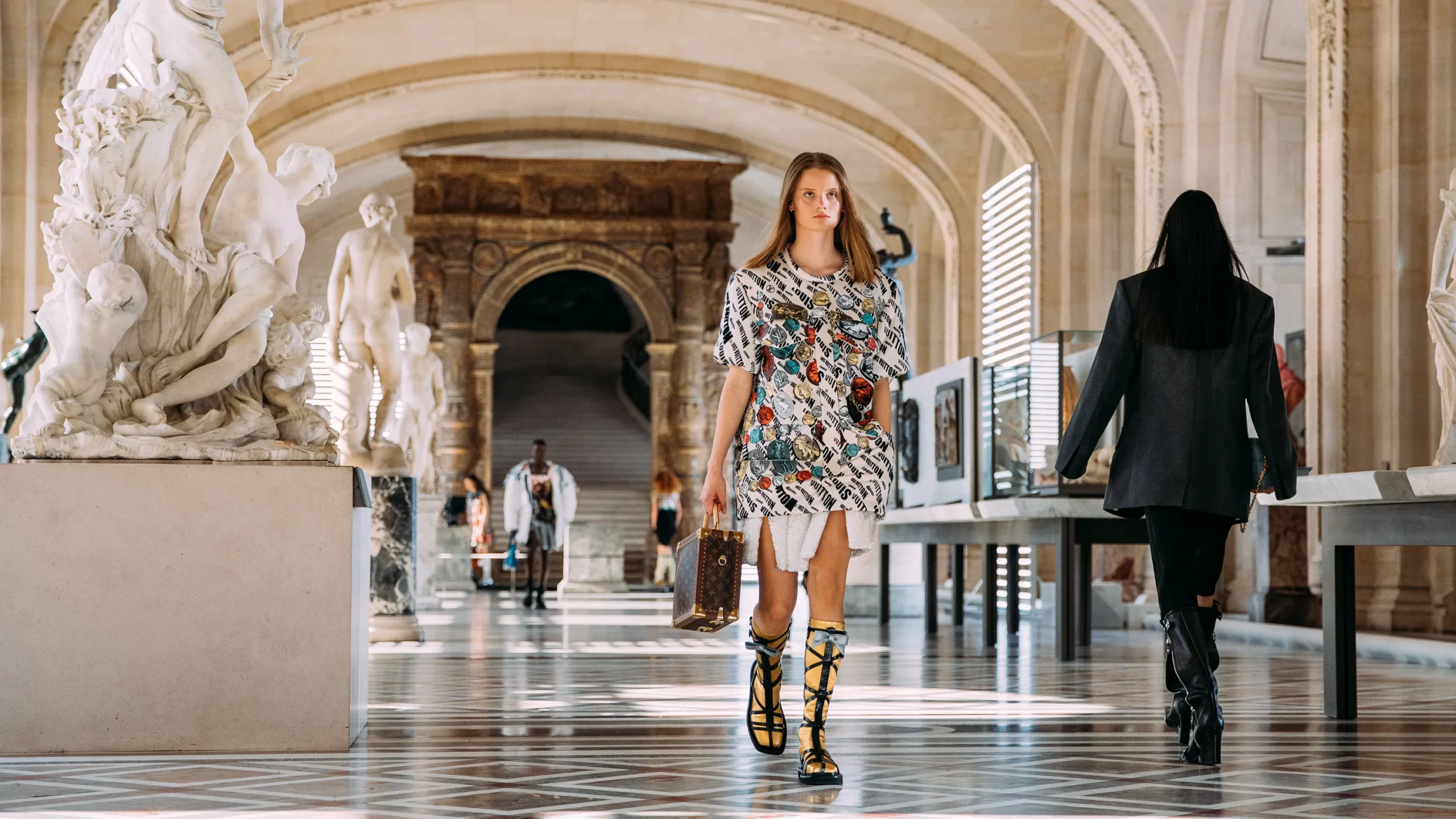
Duran Lantink at Jean Paul Gaultier channeled Marlene Dietrich’s shapeshifting charm with cowboy-raver-steampunk hybrids, complete with archival cropped bombers and rubber-tire accessories. Seán McGirr at McQueen took us inside the psychological tension of Todd Haynes’ Safe, sending models walking as if possessed in modest bumsters and shirtless tailoring. Nicolas Ghesquière at Louis Vuitton carpeted the Louvre in moss and declared nature the greatest designer, while Miu Miu stripped everything back to cotton poplin and worn-in cashmere. Each felt like a love letter to reinvention.
Jonathan Anderson’s Levity at Dior
Anderson’s sophomore women’s ready-to-wear for Dior turned the Tuileries into a promenade performance, complete with lily-pad shoes and bouncing ruffled minis. The invitation even featured miniature green metal chairs from the park—pure whimsy that reminded everyone fashion can still feel light-hearted without losing its edge. It was the kind of show that makes you smile long after the lights dim.
Matthieu Blazy’s Playful Evolution at Chanel
Blazy leaned into maximalist details at Chanel—think chainmail skirt suits, handmade flea-market-style buttons, and those now-iconic thigh-high boots. The caterpillar-to-butterfly metaphor ran through the collection, proving that even heritage houses can evolve with humor and heart. I couldn’t help but chuckle at how the classic blazer suddenly felt fresh again.
Looking Inside: The Backstage Reality Few See
Step behind the curtain and the glamour gives way to controlled chaos. Hair and makeup teams work miracles under time pressure, while broadcast engineers fight for flawless live streams using resilient global connectivity. Showrooms at Palais de Tokyo hummed with buyers negotiating orders, and sustainability teams quietly tracked every fabric choice. It’s a reminder that fashion week isn’t just about the pretty pictures—it’s a high-stakes machine powering the entire industry.
The Human Stories Behind the Seams
Models backstage shared book recommendations and quiet nerves, while creative directors like McGirr spoke openly about Generation Z’s craving for the “visceral and real” in a world of constant performance. One veteran stylist told me over coffee that this season felt like a collective deep breath after years of digital overload. Those off-camera moments built the real emotional core of the week.
Key Trends Shaping Fall/Winter 2026
Paris didn’t just follow trends—it invented fresh ones that will filter into stores by next autumn. Drop waists, bold plaids, and quirky hats dominated conversations, while nature motifs and sensual contrasts added depth. Here’s a quick snapshot of what stood out most.
Top 7 Runway Trends at a Glance
| Trend | Key Designers | Why It Works | How to Wear It Now |
|---|---|---|---|
| Drop Waists | Chanel, Mugler, Saint Laurent | Flattering and flirty | Pair with a fitted top |
| Plaid & Checks | Louis Vuitton, Dries Van Noten | Grungy yet polished | Mix with denim for everyday edge |
| Neck Bows & Funnel Necks | Loewe, Chloé, Patou | Dramatic without trying too hard | Layer over a simple coat |
| Tomato Red | Tom Ford, Patou, Celine | Instant energy boost | Head-to-toe or as a pop of color |
| Quirky Hats | Louis Vuitton, Bottega Veneta | Instant personality | Newsboy or slouchy styles |
| Thigh-High Boots | Multiple (Milan carryover) | Powerful silhouette | With mini skirts or tailored pants |
| Nature & Animalier | Louis Vuitton, McQueen | Grounded luxury | Leather florals or moss textures |
Pros and Cons of the Drop Waist Trend
- Pros: Creates an elongated silhouette, feels fresh after years of high waists, easy to style with blazers or knits.
- Cons: Can overwhelm petite frames if not proportioned right, requires good tailoring to avoid looking sloppy.
- Verdict: Worth trying if you love a touch of 1920s flapper energy updated for 2026.
Comparing Paris Trends to Previous Seasons
Last season’s power shoulders lingered but softened into more wearable shapes. Romance returned via lace and pink, yet latex and PVC added an unexpected edge—proving Paris loves contrast. Nature motifs feel new compared to last year’s urban minimalism, signaling a broader industry shift toward balance.
Nature Calls: Designers Bring the Outdoors In
Moss installations at Louis Vuitton and Miu Miu turned indoor spaces into living reminders that nature remains the ultimate designer. Animalier prints met leather flowers and cowbell-adorned bags, while Stella McCartney celebrated horses without using any animal products. It was a gentle nudge to reconnect with the earth even as we chase city sophistication.
Performance and Introspection in the Spotlight
Seán McGirr captured the mood perfectly: we’re always curating, consuming, performing, and being watched. Collections explored that tension through possessed walks and stripped-back simplicity at Miu Miu. The emotional payoff? A collective yearning for intimacy and realness that resonated deeply with editors and attendees alike.
Celebrity Front Rows and Street Style Energy
Front rows sparkled with familiar faces, while street style offered its own runway—lighter tailoring, bombers over lace, and early spring previews everywhere. It proved that the “outside” view isn’t just the shows; it’s the way real people interpret the trends the moment they hit the pavement.
The Business Side: Showrooms, Buyers, and Retail Impact
Beyond the glamour, SPHERE showrooms at Palais de Tokyo connected emerging talent with global buyers. Retailers left with clear merchandising direction: playful prints, sensual textures, and versatile layering pieces. Paris Fashion Week remains the beating heart of the luxury calendar, directly influencing what lands in stores worldwide next season.
Sustainability Spotlight: Quiet Progress
Stella McCartney’s horse-themed show reinforced her no-leather, no-fur stance, while others experimented with recycled materials and responsible sourcing. The conversation around ethical production felt more integrated than performative this year—exactly the kind of shift the industry needs.
How These Trends Translate to Your Wardrobe
You don’t need a front-row seat to participate. Start small: swap in a plaid blazer or add a statement neck bow to your go-to coat. For the full Parisian effect, layer textures and embrace a touch of drama. Check out the official FHCM calendar for future dates if you’re planning a trip, or browse trend reports on Vogue for shopping inspiration.
People Also Ask About Paris Fashion Week
What were the biggest trends from Paris Fashion Week Fall/Winter 2026?
Drop waists, colorful plaids, tomato red, quirky hats, and nature-inspired details led the charge, with pink tones and thigh-high boots appearing across multiple shows.
How does Paris Fashion Week influence global fashion?
It sets the tone for retail buyers and designers worldwide, turning runway ideas into accessible pieces you’ll see in stores by fall.
When is the next Paris Fashion Week?
Menswear Spring/Summer 2027 runs June 23–28, 2026, followed by womenswear Spring/Summer 2027 in late September.
What’s the difference between runway and street style at PFW?
Runways deliver high-concept drama while street style shows how editors and influencers make the trends wearable in real life.
Is Paris Fashion Week worth attending in person?
Absolutely—if you love the energy. Otherwise, digital streams and recaps capture the highlights without the jet lag.
FAQ: Your Burning Questions Answered
What should I know before planning a trip to Paris Fashion Week?
Book accommodations early, follow the official FHCM schedule, and remember that tickets to main shows are invitation-only—focus on open presentations and street-style spotting instead.
Which trends will be easiest to wear in everyday life?
Funnel-neck coats, plaid separates, and tomato-red accents pair effortlessly with existing wardrobes and feel fresh without being overwhelming.
How has Paris Fashion Week evolved in recent years?
It’s become more introspective and sustainable while keeping the playful spirit alive, reflecting broader cultural shifts toward balance and authenticity.
Where can I shop the key PFW 2026 looks right now?
Look for early drops at Net-a-Porter, Matches, or brand sites like Chanel and Dior—many pieces are already hitting e-commerce.
Why does the “inside and out” perspective matter?
Understanding both the spectacle and the hard work behind it gives deeper appreciation and helps you make smarter style choices.
Paris Fashion Week 2026 reminded us that fashion thrives when it balances spectacle with substance. The runways dazzled, the backstage stories grounded us, and the trends offered plenty of ways to inject joy into everyday dressing. Whether you’re a dedicated follower or a casual observer, this season left everyone with one clear takeaway: sometimes the most powerful statement is simply showing up as your truest self. What trend are you most excited to try? Drop a comment below—I’d love to hear.
(Word count: approximately 2,780)
Author

fashionsprint66@gmail.com
Related Posts
See All the First Looks From the Runways in Milan and Paris: Fall/Winter 2026 Highlights
- 0
- 1,209 word
The Power of That Opening MomentThat split-second when the first model hits the runway? It’s pure magic. It sets the entire season’s...
Read out all
Our Top 15 Trends from the Fall 2026 Runways
- 0
- 1,602 word
Fall 2026 runway season just wrapped, and wow—what a ride. After months of shows in New York, London, Milan, and Paris, one...
Read out all